
6 hr
Postojna Cave & Predjama Castle Day Trip from Ljubljana
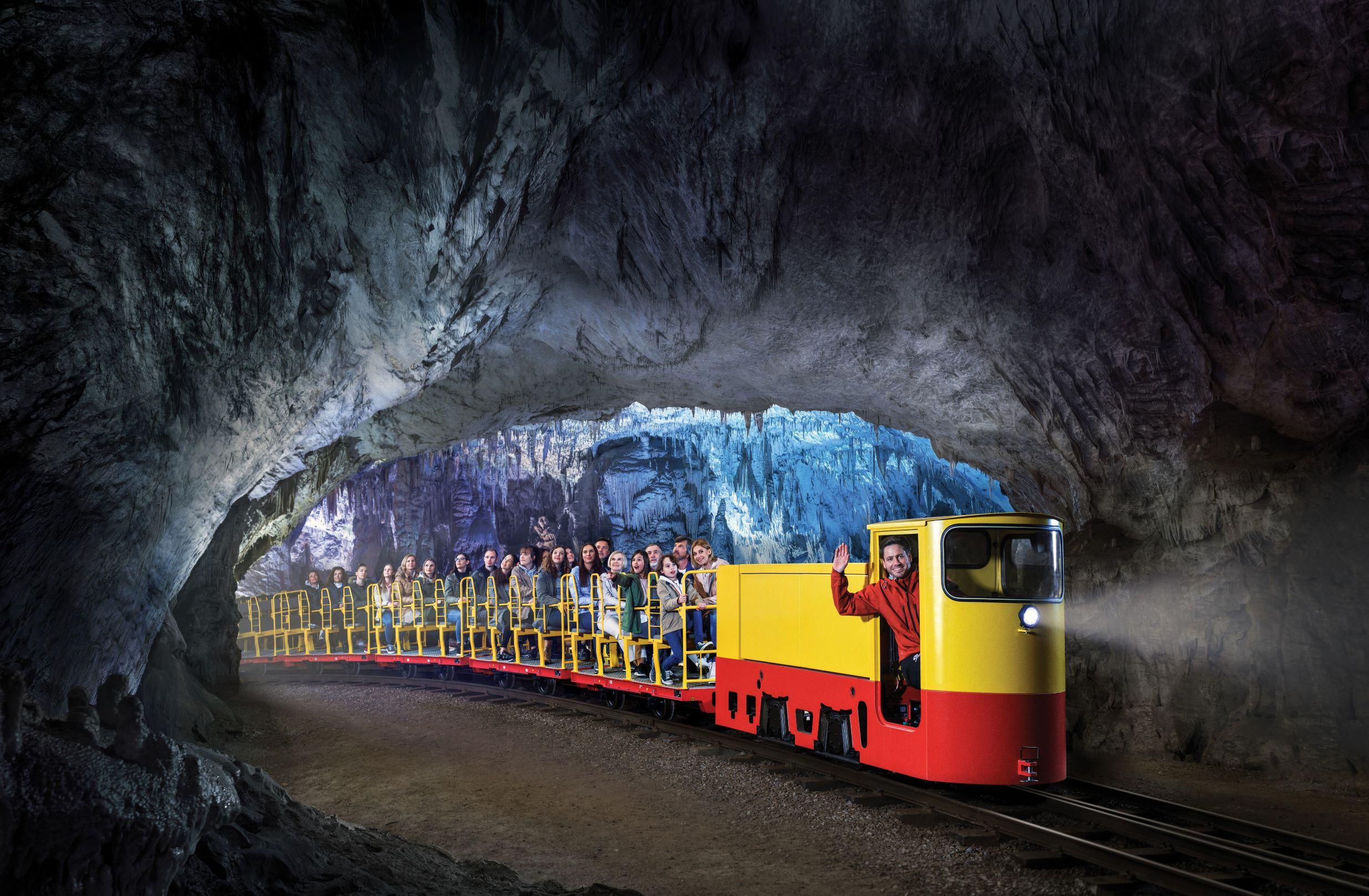
Ride an underground train through Postojna Cave, then explore the cliffside Predjama Castle on this guided day trip.
Reserve
Hand-picked by our editors — only the best 5 excursions from 40 reviewed.
Verified partners for every tour, free cancellation where available, and instant confirmation on every booking.
6 hr
Ride an underground train through Postojna Cave, then explore the cliffside Predjama Castle on this guided day trip.
Reserve
10 hr
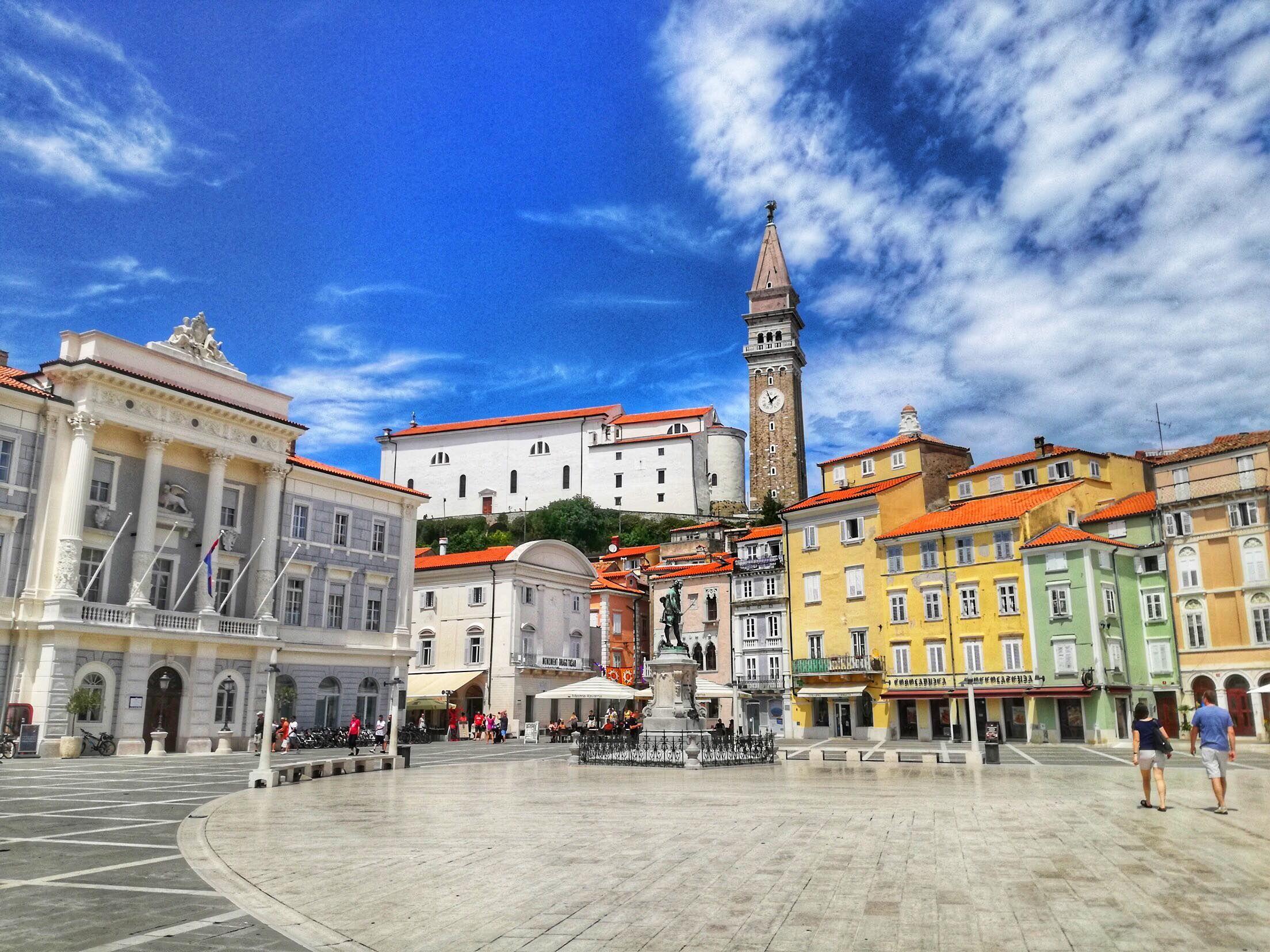
Full-day journey to a karst cave, a cliffside castle, and a seaside town on the Adriatic
Reserve
11 hr 30 min
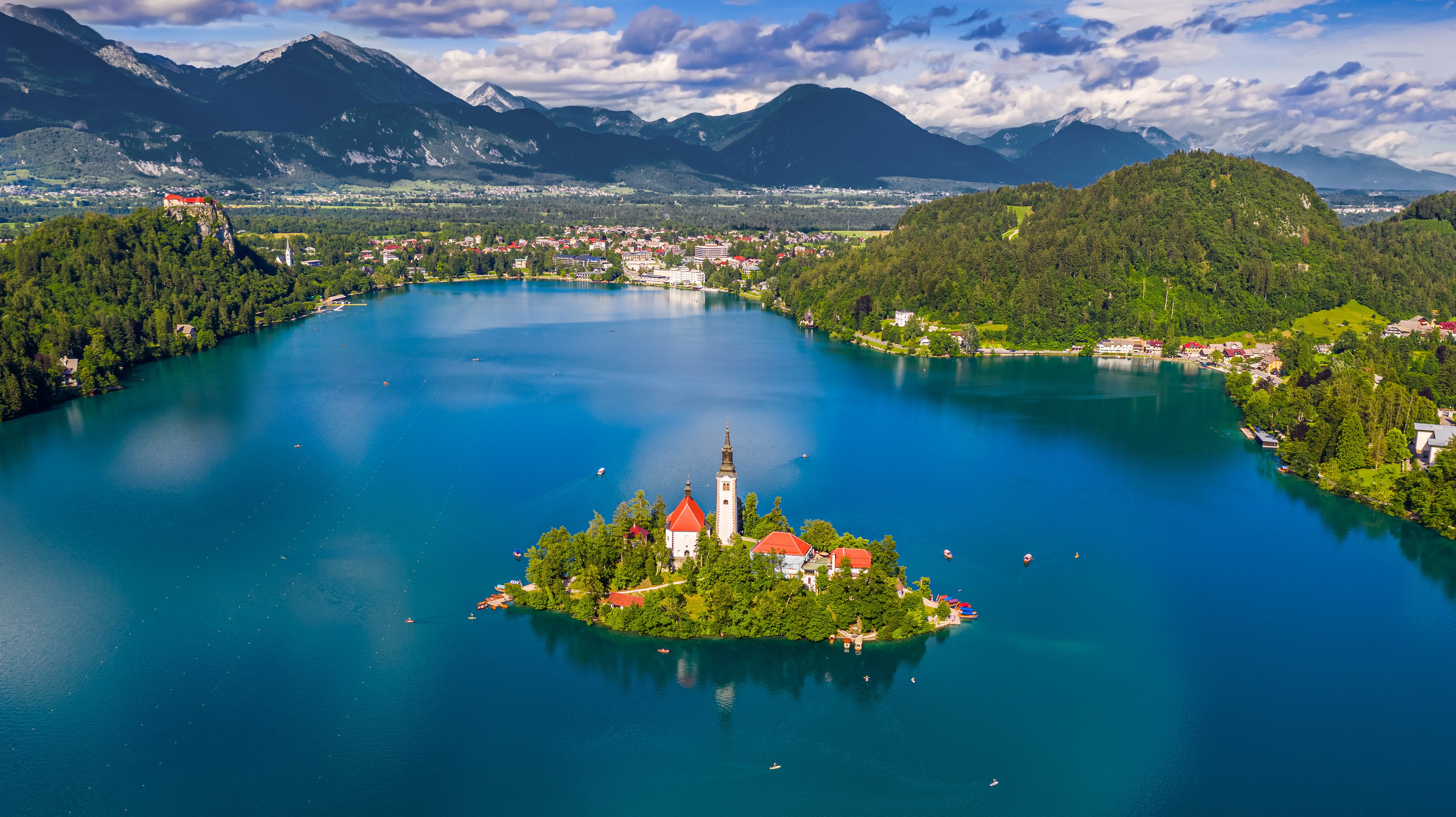
Full-day guided escape from Ljubljana to a dripstone cave, a cliffside castle and Lake Bled.
ReservePrices from verified partners. Availability updates in real time at checkout. Free cancellation policies apply where shown.
The landmarks, rooms, and views travelers on this tour remember — all visible on a single visit.
Named for its sparkling white calcite formations, this area features the most beautiful speleothems in the system.
Postojna offers a comfortable, train-assisted journey through vast halls, while Skocjan provides a raw, subterranean river canyon experience; most visitors find that selecting the right postojna cave day trip from ljubljana tours depends on whether they prefer park-like infrastructure or wild geological grandeur.
| Feature | Top pick Postojna Cave | Skocjan Caves |
|---|---|---|
Experience Type |
Underground train and walk | Guided walking trekking tour |
Accessibility/Terrain |
Easy; paved paths | Challenging; steep stairs and inclines |
Primary Highlight |
Intricate karst formations | Massive underground river canyon |
Cave Climate |
Constant 8–10°C | Constant 12°C |
Typical Duration |
1.5 hours | 2.5–3 hours |
| See tickets → |
Verdict: Choose the postojna cave day trip from ljubljana tickets for an accessible, family-friendly adventure, or opt for Skocjan if you seek a more physically demanding, UNESCO-listed natural spectacle.
Choose your ticket, select your date, and reserve in under two minutes. Secure checkout handled by our verified partner.
Instant confirmation by email, with a mobile voucher you can save offline. No printing, no queuing at a collection desk.
Arrive at the entrance, show your voucher on your phone, and walk in. Most tickets include priority or skip-the-line access.
Practical details for your visit straight from our verified partners — hours, access, rules, and how to get there.
The cave maintains a constant temperature of 10°C year-round. Visitors should wear warm clothing and sturdy, closed-toe footwear.
Large backpacks and bulky luggage are prohibited inside the cave for conservation and safety. Secure storage lockers are available at the EXPO pavilion.
Non-commercial photography is permitted without flash or tripods. Professional recording or audio capture of guide commentary is prohibited.
The cave is partially wheelchair accessible via the underground train system. Wheelchair users should contact the site 2 days in advance for assistance.
The cave is family-friendly and accessible for strollers. Children under 2 typically receive discounted or free entry depending on the tour provider.
Eating and drinking are strictly prohibited inside the cave to protect the fragile ecosystem. Dining options are available within the Postojna Cave Park.
Best time to go, insider tips, nearby landmarks, and the cancellation fine print — flip through to skim what matters to you.
Flexible, no hidden fees.
Tickets are non-refundable once booked. Please ensure your travel dates are firm before purchasing the entrance fee of 34.9 EUR.
In 1872, engineers laid a railway inside a cave. Postojna Cave has carried passengers underground ever since, making it the only show cave in the world with a double-track electric train. The line runs 3.7 kilometres of the 24-kilometre system, through galleries carved by the Pivka River over more than two million years. The cave entered written record in the thirteenth century, when a visitor scratched the date 1213 onto a wall near the entrance. Systematic exploration began in April 1818, when Luka Čeč, a local lamplighter preparing the cave for a visit by Emperor Francis I, found the inner chambers no one had walked. Formal tourism opened the same year. More than 41 million people have passed through since, which makes this stretch of the Slovenian Karst the most visited cave in Europe and one of the founding sites of speleology as a discipline. The word karst itself derives from this limestone plateau. Any postojna cave day trip from ljubljana pairs the cave with Predjama Castle, nine kilometres northwest. The castle was first mentioned in 1274 and rebuilt in its present Renaissance form in 1570, wedged into the mouth of a 123-metre cliff cavern. Its most cited resident, the robber knight Erasmus of Lueg, withstood a siege of roughly a year in the 1480s by using a secret passage through the rock to bring in supplies. Beneath the castle runs a separate cave system of some 14 kilometres. Underground, the register shifts from history to biology. The cave shelters Proteus anguinus, the olm — a blind, pale amphibian that can live over a century and survive years without food. Locals once called them baby dragons, washed out of the rock after heavy rain. The Vivarium and the concert hall, a chamber with acoustics used for performances since the nineteenth century, sit along the walking route. Formations such as Brilliant, a white calcite column, and the Spaghetti Hall of thin soda straws, took millennia to accrete at roughly one millimetre per decade. What holds the two sites together is stone under pressure: a river that dissolved a mountain, and a family that built a house inside the hole it left. Guided Ljubljana Postojna Cave tours treat them as a single Karst landscape rather than two stops. Travellers comparing a postojna cave day trip from ljubljana tour will find that pairing is standard, and that the cave's single adult entry of 34.9 EUR covers both the train and the guided walk.
"A river dissolved a mountain, and a family built a house inside the hole it left."
A step-by-step walkthrough of the visit — what you'll see, how long each stage takes, and the details that matter.
You leave Ljubljana in the morning and reach Jamska cesta 30 in Postojna after roughly an hour on the A1. Arriving between 09:00 and 10:00 puts you ahead of the mid-morning coach traffic. You collect your postojna cave day trip from ljubljana tickets, then walk to the platform where the open train waits. The train pulls into the rock. You duck instinctively as the roof drops. For about ten minutes you pass through galleries lit in sequence, past columns and curtains of calcite, until the carriages stop and you join a language group on foot. A guide leads you along 1.5 kilometres of paved path. You cross the Russian Bridge, built by prisoners of war in 1916. You stand under Brilliant. You watch the olms hang motionless in their tank at the Vivarium, and the temperature holds at 10°C throughout, so you keep the jacket you were told to bring. Back on the surface, the coach carries you nine kilometres to Predjama. You look up at a facade set flush into the cliff, then climb through cold rooms, a chapel, and the passage Erasmus used. On the combined excursions you continue west toward Piran or north to Lake Bled before the return.
The entrance fee is 34.9 EUR for a single adult, which includes the train ride and guided tour.
A typical tour lasts about 90 minutes. Full-day excursions from Ljubljana usually span 5–6 hours total.
Yes, booking online in advance is the only way to secure a specific entry slot and bypass ticket office lines.
The best arrival window is 09:00–10:00 to avoid the mid-morning bus rush.
The site is very family-friendly, though strollers should be foldable for the cave train.
Large bags are prohibited inside the cave; please use the lockers provided at the EXPO pavilion.
Yes, but without flash or tripods to protect the cave environment.
You can drive via the A1 motorway or book an organized tour that includes round-trip transportation.
Always bring a warm jacket and closed-toe shoes as the cave is 10°C year-round.